At a glance
- The US State Department rates Morocco Level 2, the same level it gives France, Spain and the UK.
- The everyday issues are small: pushy sellers, false guides, pickpockets in crowds and traffic.
- Women travel here safely; modest dress and polite disinterest help.
- A private guide and driver remove most of what worries first-time visitors.
- Travel insurance with medical evacuation is required on all our trips.
Is Morocco safe for Americans? For the kind of trip most of our guests take, yes. We live in Marrakech and plan private trips for American travelers every month, and the problems people actually run into here are small ones: a pushy seller, a wrong turn in the medina, an upset stomach. Here is the honest picture, including the parts that deserve some care.
What the US State Department says
The State Department rates Morocco Level 2, "Exercise Increased Caution," the same level it gives France, Spain, Italy and the UK. The reason it gives is terrorism, with a warning that attacks could target tourist sites, transport hubs and markets with little notice. Read the current advisory before you book, and enroll in the free Smart Traveler Enrollment Program so the US embassy can reach you in an emergency.
Level 2 is a reminder to stay aware, not a reason to stay away. Morocco welcomes millions of visitors a year, and every major city has a visible tourist police presence.
The everyday things that actually happen
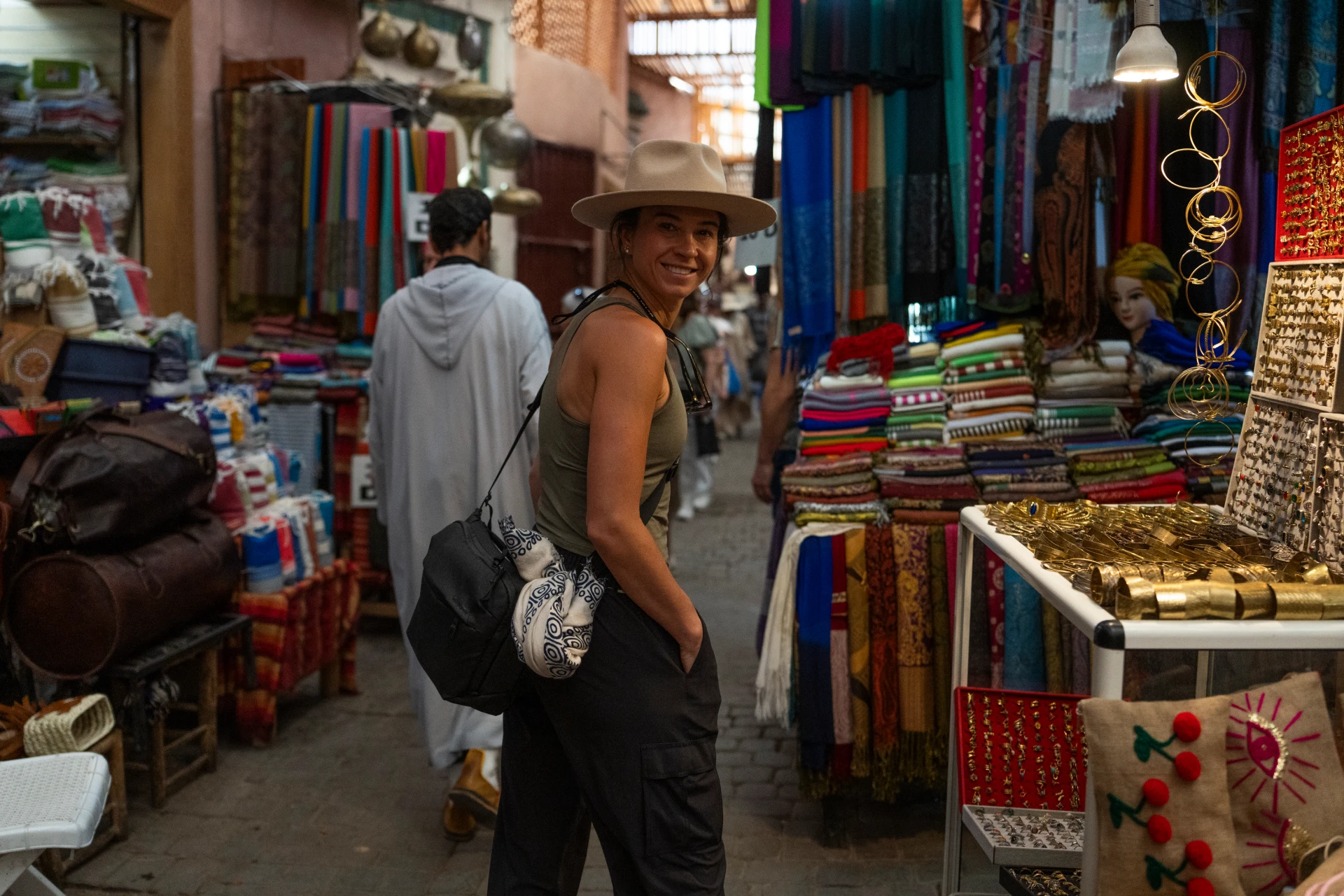
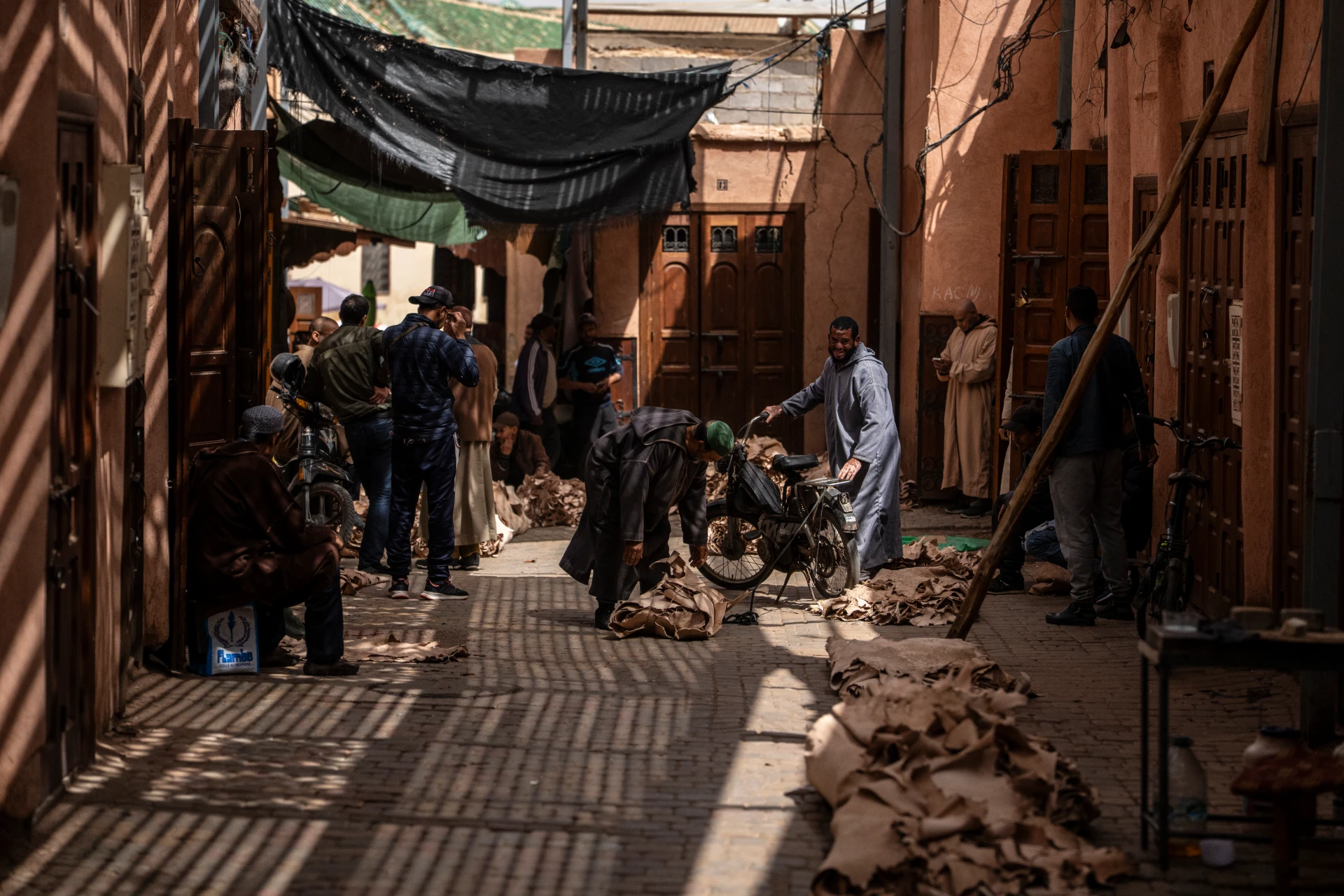
- Persistent selling in the medinas. Shopkeepers will invite you in, and some will follow you a few steps. A polite "la, shukran" (no, thank you) and walking on is enough.
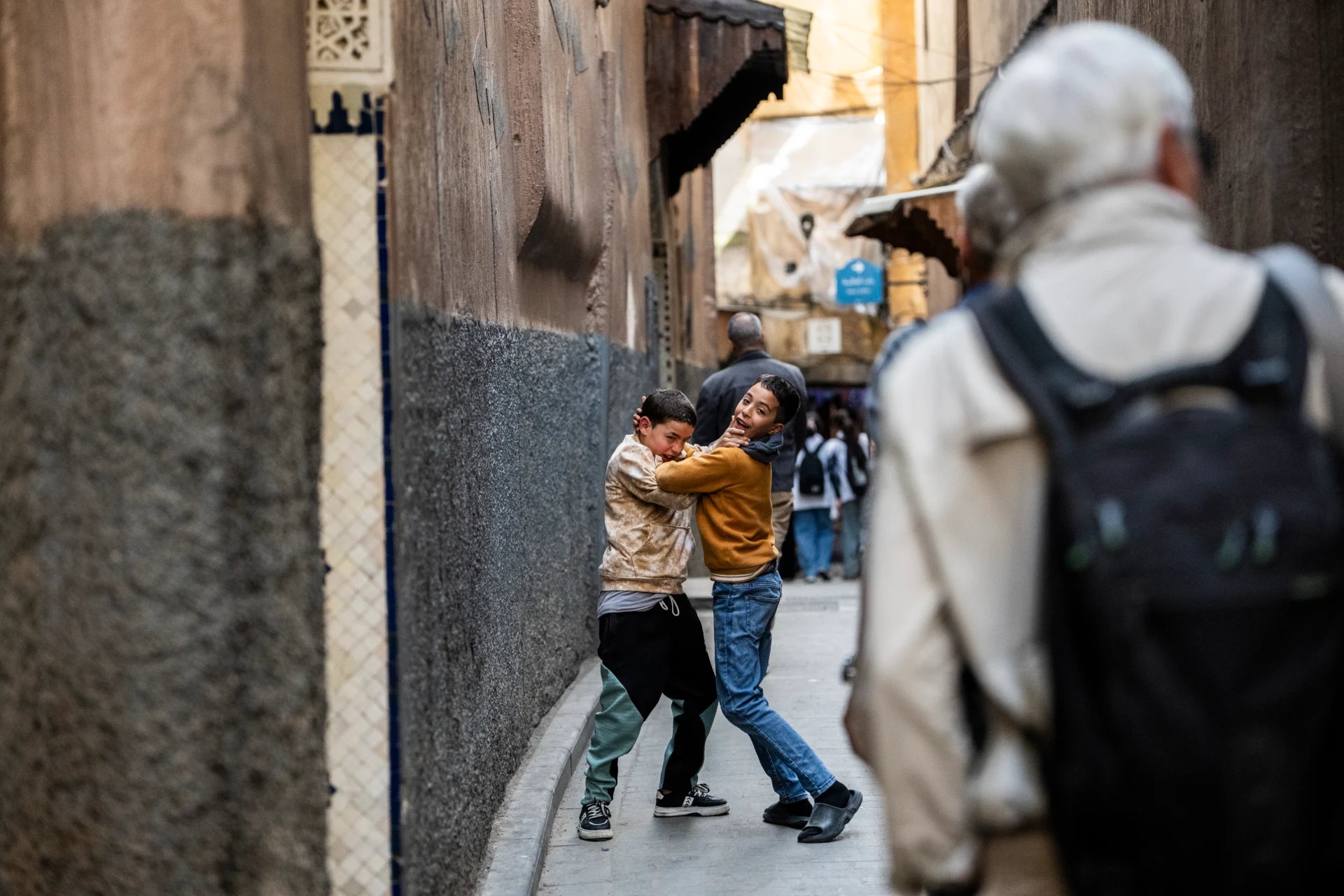
- False guides. Young men may offer to show you the way or tell you a street is closed. It is a common way to steer visitors into a shop. A licensed guide ends this completely.
- Pickpockets in crowds. Jemaa el-Fna at night and the busiest souk lanes are where to keep your phone in a front pocket.
- Traffic. The biggest real risk is the road. We never recommend self-driving on a first trip; a private driver who knows the routes is the safer choice.
- Stomach upsets. Drink bottled water and go easy on raw salads in the first days.
Safety for women traveling in Morocco
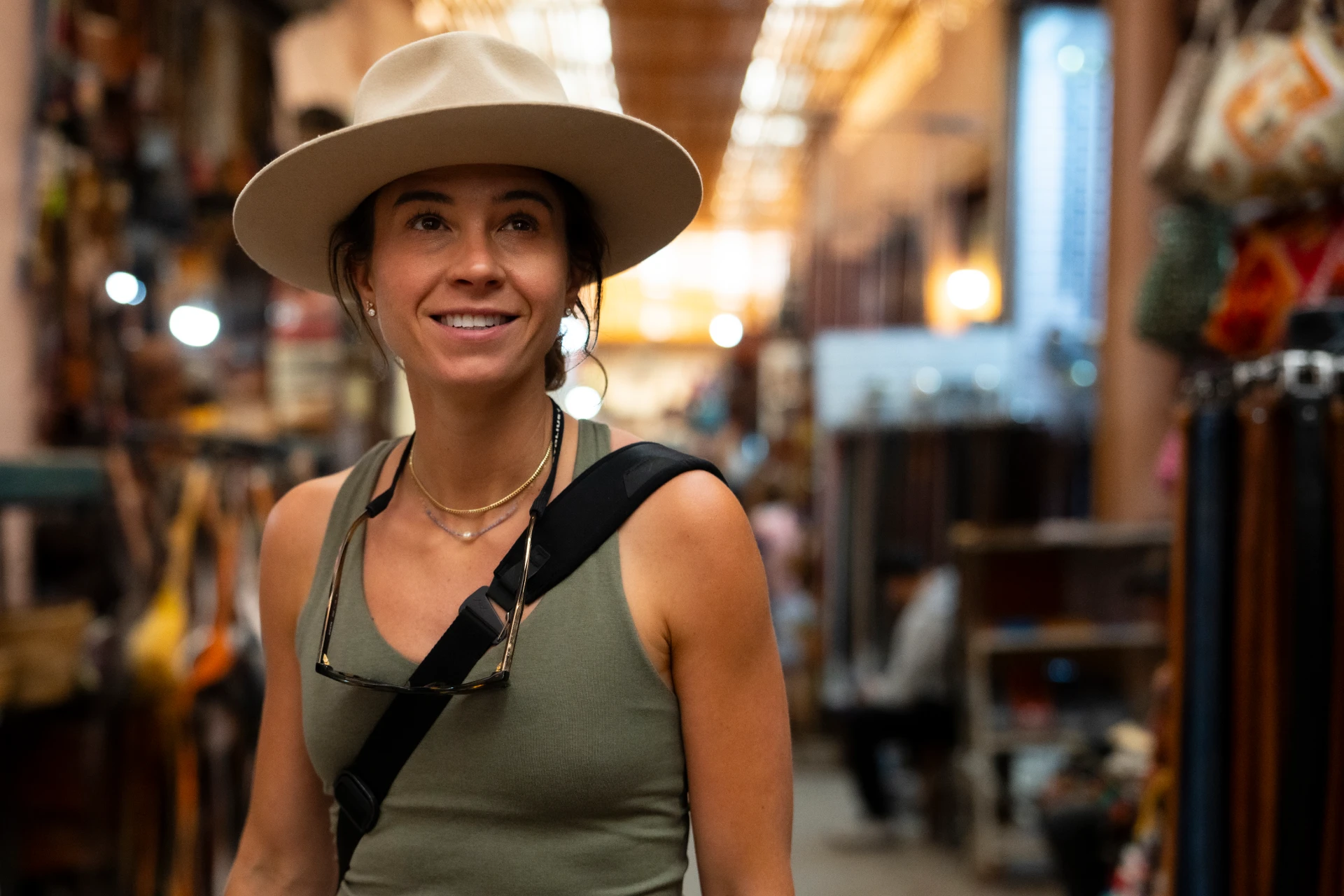
Women travel in Morocco alone and in groups all the time, including many of our guests. Expect more attention in the medinas than at home, mostly comments rather than anything physical. Loose clothes that cover shoulders and knees help, and confident, polite disinterest works best. We cover this in more detail in our guide to solo travel in Morocco.
Good to know
Three words solve most awkward moments with a smile: "salam" (hello), "la, shukran" (no, thank you) and "safi" (that is enough).
How a private trip changes the picture
Most of what worries first-time visitors disappears on a private trip. A licensed guide walks you through the medinas, so false guides leave you alone. Your driver handles every transfer, and our team in Marrakech knows where you are each day. If anything goes wrong, from a missed connection to a fever, one call to us sorts it out.
The problems people actually run into here are small ones: a pushy seller, a wrong turn, an upset stomach.
Travel Morocco with someone on the ground
Every Anmoon trip includes licensed guides, a private driver and our team in Marrakech on call for the whole trip.
LGBTQ travelers in Morocco
Same-sex relations are illegal in Morocco, and public displays of affection are uncommon for any couple. LGBTQ travelers do visit and generally have no trouble, especially in riads and hotels, but discretion in public is the norm. We are glad to talk through any concerns privately before you book.
Health and practical precautions
No vaccinations are required to enter Morocco from the US, but check the CDC's Morocco page for routine recommendations. City pharmacies are excellent, and pharmacists usually speak French and often some English. Travel insurance with medical evacuation is required on all our trips.
If you are still deciding where to start, our guide to things to do in Marrakech is a good first read.
Frequently asked questions
Is Morocco safe for American tourists right now?
Morocco is rated Level 2 by the US State Department, the same as France, Spain and the UK. Check the current advisory before you travel, and enroll in the STEP program so the embassy can contact you.
Is Marrakech safe at night?
Yes, in general. Jemaa el-Fna stays busy and lively until late. Keep valuables in a front pocket, and have your guide or a riad porter walk you back through the medina, since the lanes get dark.
Is it safe to drink tap water in Morocco?
Stick to bottled water, which is cheap and everywhere. Hotels and riads provide it, and our drivers keep it in the car.
Is Morocco safe for solo female travelers?
Yes, with some awareness. Expect more attention in the medinas than at home, dress modestly, and use licensed guides. A private driver and guide make the experience much calmer.
Are Americans welcome in Morocco?
Very much so. Morocco was one of the first countries to recognize the United States, in 1777, and American visitors are warmly received.
What should I do if I get lost in the medina?
Ask a shopkeeper or a family rather than the young men offering help, and head toward the nearest main gate. An offline map on your phone helps. With a guide, it will not happen.
Do I need travel insurance for Morocco?
Yes. It is required on all our trips and should include medical care, emergency evacuation and trip cancellation.